
Beginner Guides
Daily Tarot Journal: A 5-Minute Morning or Evening Practice
A lightweight daily tarot journal practice built around one card, one feeling, one observation, one question, and one intention, with a weekly review.

A daily tarot journal is a short self-check-in built from one card, one feeling, one observation, one question, and one intention. It does not predict what will happen today. It gives you a small structure for noticing where you are, what you are carrying, and what deserves attention.
The practice takes about five minutes. Use it in the morning to set an intention, in the evening to review what happened, or alternate between the two. The goal is a rhythm you can keep, not another obligation.
If you want the full record fields for a single reading, see what to write in a tarot journal after a reading. For the habit itself, this guide keeps the note deliberately small.
What Is a Daily Tarot Journal?
A daily tarot journal is a five-minute record of one card and the feeling, observation, question, and intention that come with it. It turns a daily pull into a self-check-in instead of a prediction.
The card is the starting point, not the verdict. The entry is useful when it records what you noticed about yourself, not what the universe supposedly announced for the day.
Keep it in a notebook or in your private Journal. The format matters less than the habit: a short note you actually keep.
A 5-Minute Daily Practice
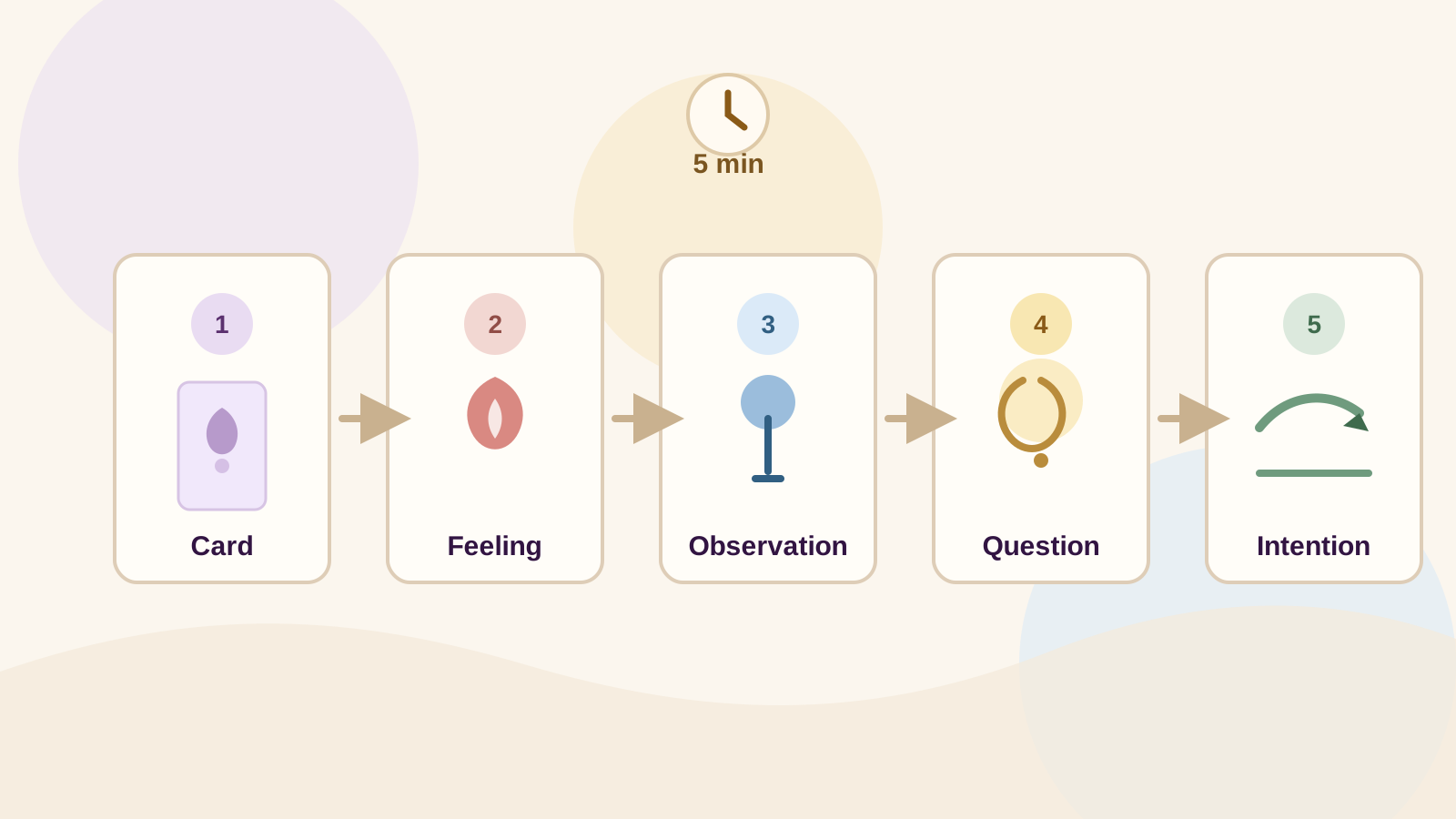
Use this sequence when the day starts, when it ends, or whenever you have five quiet minutes. Each step stays to one line so the practice stays light.
1
Card
Draw one card. No position and no prediction needed.
2
Feeling
Name the first feeling in one word.
3
Observation
Write one sentence about what stands out in the image.
4
Question
Turn the card into a question you can carry.
5
Intention
Choose one small attitude, boundary, or action.
If you do not know how to start, a one-card Daily Reading gives you a card and a prompt, then the journal keeps the note.
Morning vs. Evening Tarot
Morning works best for intention; evening works best for review. There is no single correct time, so choose the one that actually fits your life.
If you alternate, keep the same five-line structure both times. Only the emphasis changes.
Morning
Set the day: draw a card, name a feeling, and choose one intention you can act on.
Evening
Review the day: notice what happened, what you felt, and what you would do differently tomorrow.
Your rhythm
Pick one time and protect it for two weeks before deciding whether it is working.
Keep the note short enough to sustain.
Try a one-card Daily Reading and keep the note short enough to sustain.
Start a Daily ReadingExample: One Daily Entry
This is what a realistic five-minute entry looks like. It is not dramatic, and it does not claim to describe the day ahead.
Date: June 3
Card: Page of Cups
Feeling: Soft, curious
Observation: The cup is offered toward me, but I almost missed the small fish.
Question: What am I holding that could use more care?
Intention: Send one kind message without waiting for a reply.
Five lines, about five minutes. Tomorrow's card can be completely different; that is the point. The journal tracks the habit, not a daily forecast.
When Daily Pulls Become Unhelpful
Daily tarot is a support, not a requirement. If the pull starts creating anxiety or keeps the same question spinning, take a day off instead of pushing through.
For a deeper look at whether daily reading fits you, the guide to how often you should read tarot compares daily pulls with weekly and full readings.
- You feel anxious before you draw.
- You keep asking the same question hoping for a different card.
- You only feel settled when the card says what you wanted.
- You are checking the cards instead of making a real decision or having a direct conversation.
A pause is not a failure. Returning after a day or two is part of the practice.
How to Review a Week of Daily Cards
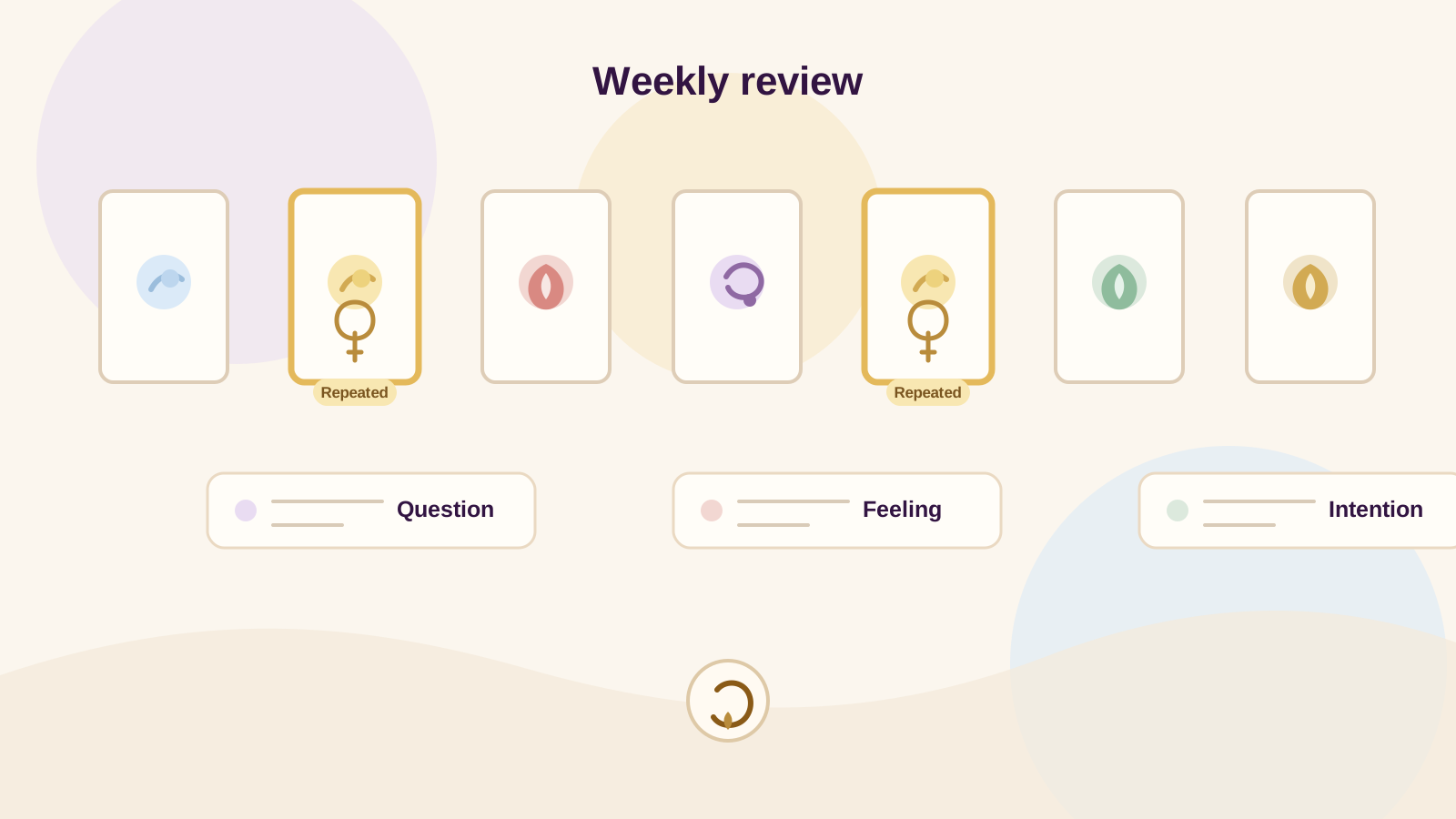
Review once a week instead of interpreting every card daily. Seven short entries show a pattern; one card does not.
Open the week's entries and look for repeated cards, recurring feelings, and intentions you actually kept. That is where the reflection lives.
Repeated cards
If the same card returns, note the question and situation around each appearance. Context matters more than the count.
Recurring feelings
The same feeling across several days is a signal even when the cards change.
Unfinished intentions
An intention you keep setting but never acting on may need a smaller version.
Shifts
One day can look like noise; a week often reveals a direction.
If one card keeps returning, the repeating tarot cards guide explains how to read repetition without turning it into fate.
Keep the note short enough to sustain.
Try a one-card Daily Reading and keep the note short enough to sustain.
Start a Daily ReadingFAQ
Should I pull tarot every day?
Only if it still adds clarity. Daily is a rhythm, not a rule. If the pull feels anxious or compulsive, pause and return when the practice feels like yours again.
Morning or evening?
Morning works for intention, evening works for review. Choose the one you can actually keep, and let consistency do the work.
How many cards for a daily reading?
One card. A daily pull is a check-in, not a spread. The five-line journal note is what turns the card into reflection.
What if I miss a day?
Skip it and come back tomorrow. The practice is about return, not streaks. One missed day does not undo the habit.